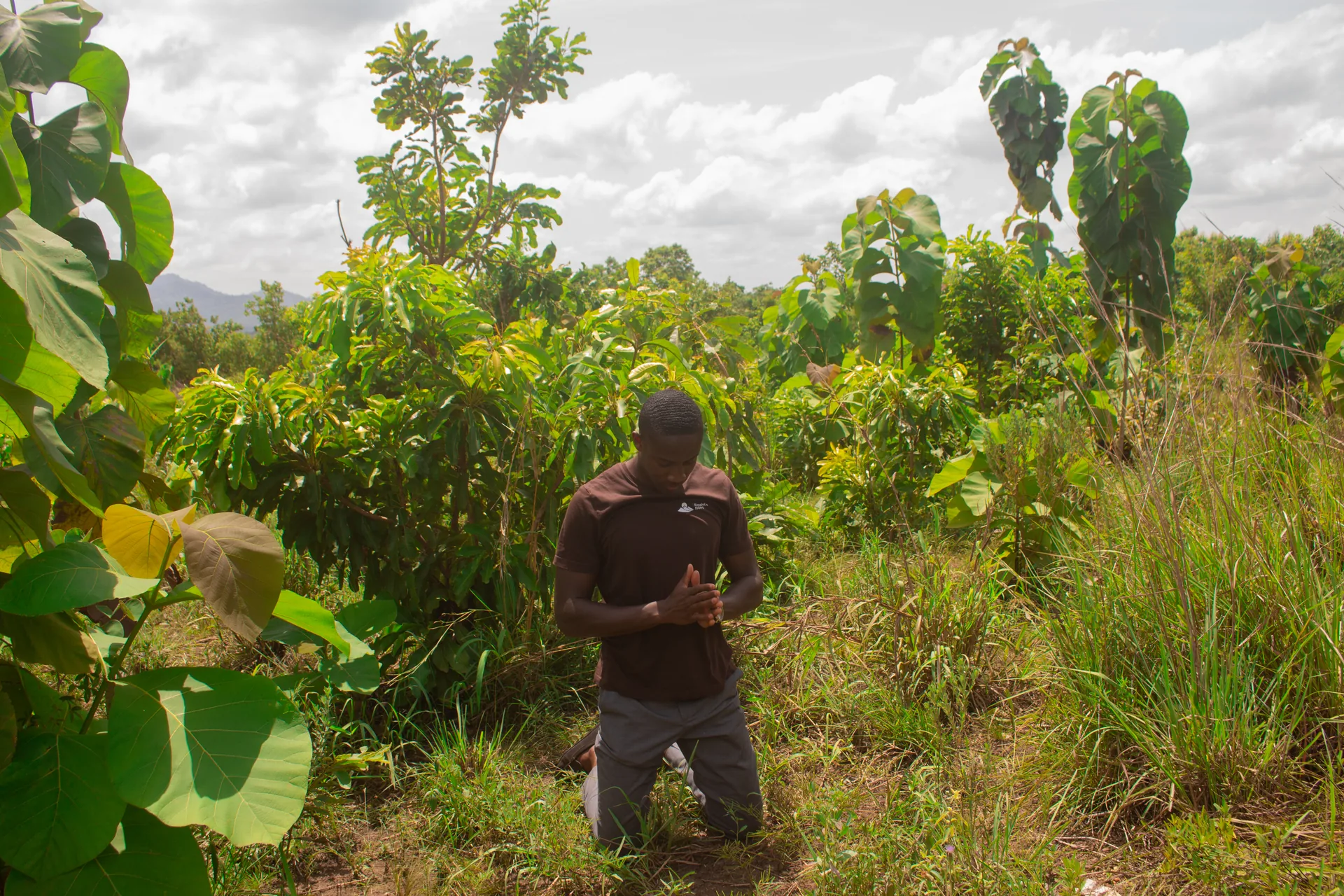
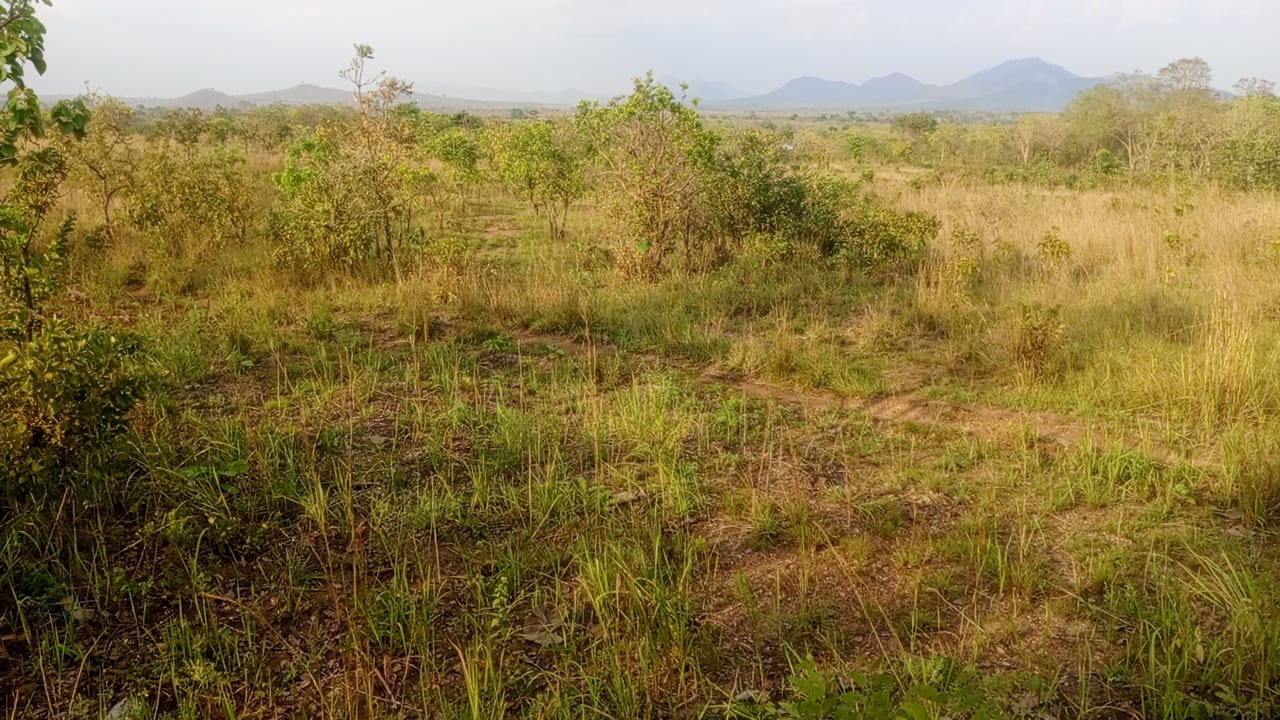
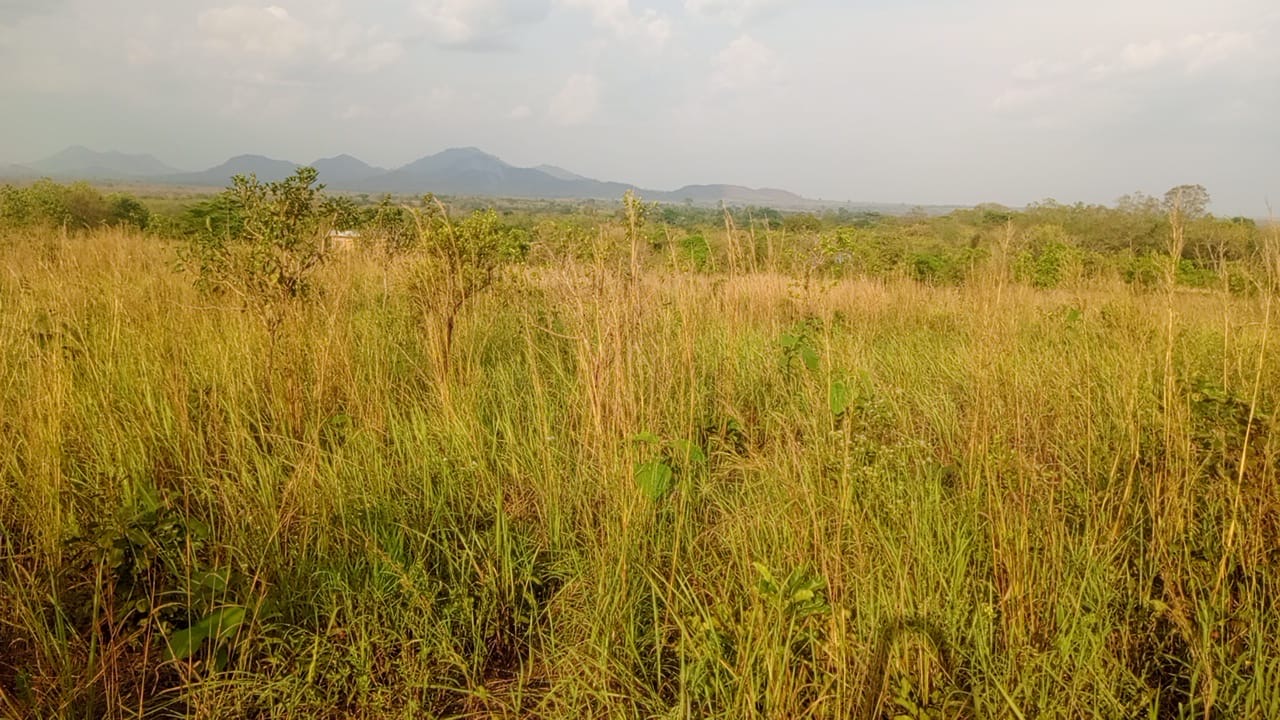
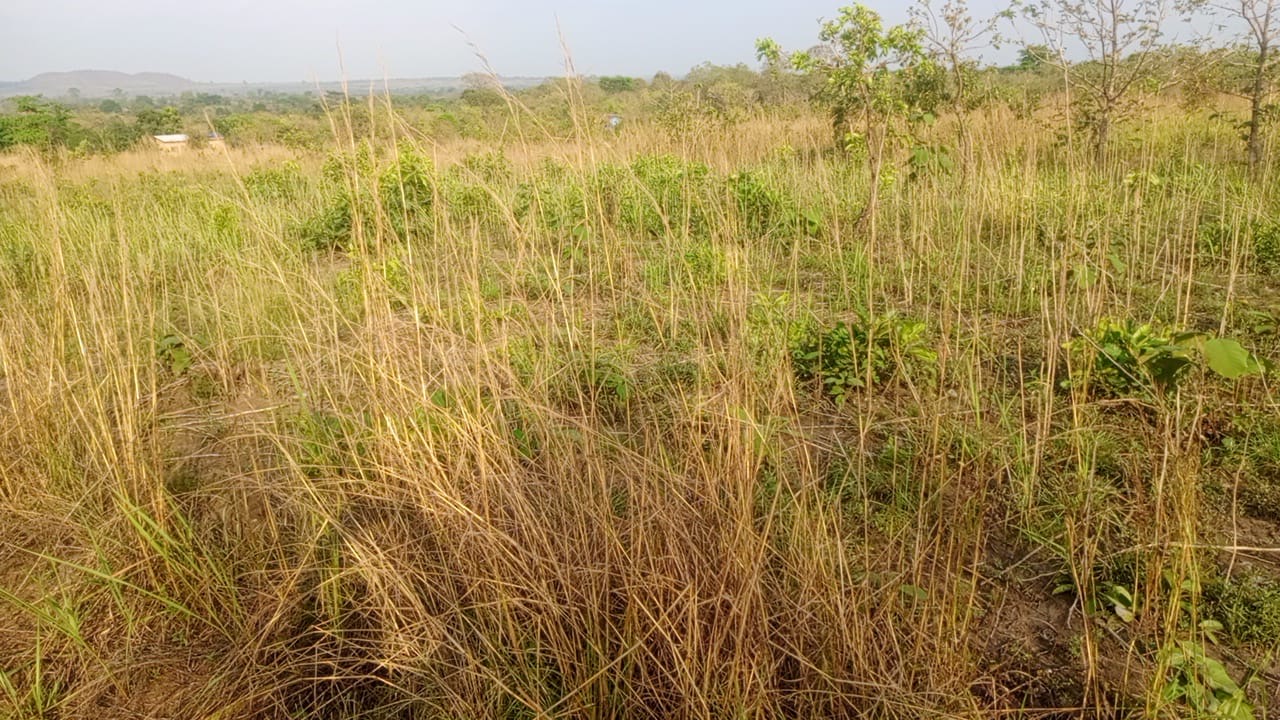
View of the future campus grounds
The Campus: A Home and More
On a four-hectare property in Agou-Akplolo (Greater Kpalimé area), a children's development campus is taking shape step by step. The land was provided by the local community. At its heart is a children's home. Here, orphans and children living in extreme poverty find a safe place to stay. Alongside it come education, basic medical care, and farmland, so the children are supported in school, health, emotional, and social matters until they can lead their lives independently. Anyone who supports this project helps turn these plans into buildings that stand.
What is being built on the campus
Children's Home
A safe home for orphans and children in extreme poverty, the heart of the campus. Everything else on the site serves it: education, health and food are not an add-on programme but what makes a home viable in the first place.
Education
Reliable education directly on site. In a rural area, the journey to school is often the first obstacle: too far, too expensive, and the first thing dropped for girls. Education on the campus means that obstacle disappears.
Health
Basic medical care for the children and the surrounding community. It is explicitly not meant for the campus alone: a place that neighbours can also turn to makes the project part of the village rather than a closed-off island.
Self-Sufficiency
Farmland that provides food and fosters independence. A home that has to buy every meal stays permanently dependent on transfers from Europe. Growing its own food lowers running costs and makes the project less dependent on us over time.
Community
Sports and community spaces ("Zone Spielmacher") to foster teamwork and values. Children who have lost a great deal need more than a roof and a school place: they need somewhere they are simply allowed to be children.
Why Agou-Akplolo
Agou-Akplolo lies in south-western Togo, in the Plateaux Region, not far from the town of Kpalimé and close to the border with Ghana. It is a rural area: hills, farmland, scattered settlements. Togo is francophone; the official language is French. That is why this site also exists in French — not as an extra, but because some of the people this project is about could not read it otherwise.
The location was not picked on a drawing board. Kossivi Aholy comes from Togo, and the connection to Agou-Akplolo existed long before there was an association. The first joint action was a Christmas campaign on site in 2025: gifts and time with the children. Everything else grew out of that.
What matters most is how the land came about: the four hectares were provided by the local community. Not a plot bought by a European association, but a decision made by the people who live there. During a visit, the plan was discussed at a village assembly, with traditional dignitaries and with schoolchildren. That is more than a nice gesture. A children's home built against the will of its neighbourhood does not work, and a campus with no one on the ground to carry it after construction works even less.
The project's journey
- 2025
Christmas campaign in Agou
The first joint action on site: gifts and time with the children in Agou. This is where the story of Kossivi's HOPE began.
- 2026
Association founded, property secured
Kossivi's HOPE e. V. is founded in Hamburg (register number VR 26258). The local community in Agou-Akplolo provides the four-hectare property, and the planning phase is under way.
- Outlook
Groundwork and first construction phase
Once planning is complete, groundwork will begin, the next visible step on the way to the campus.
How the campus takes shape
Current status: we are in the planning phase.
- In progress
Planning
This is where we are now. It covers the site, the layout of the buildings and the coordination with people on the ground. This phase is unspectacular and hard to photograph, but mistakes made here cost many times as much later on.
- Upcoming
Groundwork
The first visible step: the site is prepared for construction. From here on there are pictures that show a difference.
- Upcoming
Foundation
The base everything else rests on. In a building meant to house children, this is not the place to economise.
- Upcoming
Shell construction
Walls, roof, a closed building envelope. The point at which the campus becomes recognisably a place rather than a plot.
How plans turn into buildings
The campus is being built in stages, not in one go. Four stages lie ahead of us, and this page shows openly where we currently stand.
We deliberately do not name a completion date. How fast this goes depends on how much comes together, and putting out a date we cannot keep would be dishonest towards everyone involved, towards the children first of all. What we do instead: document the status regularly, including when little has moved.
The mandate behind this is not freely worded but written into our statutes. They name as the association's purpose the construction of a children's home, an education centre, a health centre and agricultural facilities. The statutes are available to read on the transparency page.